Dental Implants: The Permanent Answer for Missing Teeth
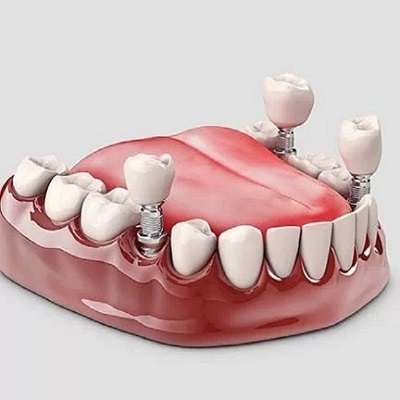
Tooth loss can significantly impact an individual's quality of life, affecting both aesthetics and functionality. Whether due to injury, decay, or periodontal disease, losing a tooth can lead to complications that extend beyond just an unsightly gap in your smile. Fortunately, dental implants provide a permanent solution to this common problem, helping restore both confidence and functionality.
What Are Dental Implants?
Dental implants in Islamabad are artificial tooth roots made of biocompatible materials like titanium. These implants are surgically placed into the jawbone, where they integrate with the bone over time through a process known as osseointegration. This integration creates a strong foundation for replacement teeth, offering a durable and permanent solution for missing teeth.
Components of a Dental Implant:
A dental implant consists of three main components:
The Implant: This is the metal post that is inserted into the jawbone, serving as the tooth root.
The Abutment: Once the implant has fused with the jawbone, an abutment is placed on top of the implant. This component connects the implant to the artificial tooth or crown.
The Crown: The final component is the crown, which is custom-made to match the shape and color of your natural teeth, providing a seamless look.
Why Choose Dental Implants?
1. Longevity:
One of the most compelling reasons to choose dental implants is their longevity. With proper care and maintenance, dental implants can last a lifetime, making them a cost-effective solution compared to other tooth replacement options, such as dentures or bridges, which may need to be replaced or adjusted over time.
2. Natural Appearance and Functionality:
Dental implants are designed to look and function like natural teeth. They restore the ability to chew food comfortably and speak clearly, allowing individuals to enjoy their favorite foods without restriction. Many people report that implants feel more natural than other dental solutions, significantly enhancing their quality of life.
3. Jawbone Preservation:
When a tooth is lost, the underlying jawbone can begin to deteriorate due to lack of stimulation. This can lead to a sunken facial appearance and further tooth loss. Dental implants provide the necessary stimulation to the jawbone, preventing bone loss and maintaining facial structure. This aspect is often overlooked but is critical for long-term oral health.
4. Improved Oral Health:
Unlike traditional bridges, which require adjacent teeth to be altered, dental implants do not compromise the integrity of neighboring teeth. This means that surrounding teeth can remain intact, promoting overall oral health. Additionally, implants can help distribute chewing forces evenly across the jaw, reducing strain on remaining teeth.
The Dental Implant Procedure:
Step 1: Consultation and Planning:
The first step in the dental implant process is a comprehensive consultation with a qualified dental professional. During this visit, your oral health will be assessed, and imaging techniques, such as X-rays or 3D scans, will be utilized to evaluate the condition of your jawbone. This information is essential for developing a personalized treatment plan.
Step 2: Implant Placement:
Once the treatment plan is established, the surgical placement of the dental implant can proceed. The procedure is typically performed under local anesthesia, ensuring minimal discomfort. The dentist will create a small incision in the gum tissue to access the jawbone, where the titanium implant will be inserted. After the implant is placed, the gum tissue is stitched back, and a healing period of several months follows, allowing for osseointegration.
Step 3: Abutment and Crown Placement:
After successful integration of the implant with the jawbone, a second minor procedure may be required to place the abutment. The abutment connects the implant to the crown, which is the visible part of the tooth. Once the abutment is in place, impressions are taken to create a custom crown that matches your existing teeth. The final crown is then attached to the abutment, completing the restoration process.
Caring for Your Dental Implants:
To ensure the longevity of your dental implants, proper care is essential. Here are some tips for maintaining your implants:
Practice Good Oral Hygiene: Brush and floss your implants daily, just as you would with natural teeth. Regular dental cleanings and check-ups are also crucial.
Avoid Hard Foods: While dental implants are durable, it’s wise to avoid excessively hard foods that could damage the crown.
Schedule Regular Dental Visits: Regular check-ups with your dentist will help monitor the health of your implants and overall oral health.
Conclusion:
Dental implants provide a permanent and effective solution for missing teeth, restoring not only your smile but also your confidence and quality of life. Their longevity, natural appearance, and ability to preserve jawbone health make them an excellent investment in your overall well-being. If you're considering dental implants, consult with a qualified dental professional to explore your options and take the first step towards a healthier, happier smile.
For more information visit Dynamic Clinic PK


